
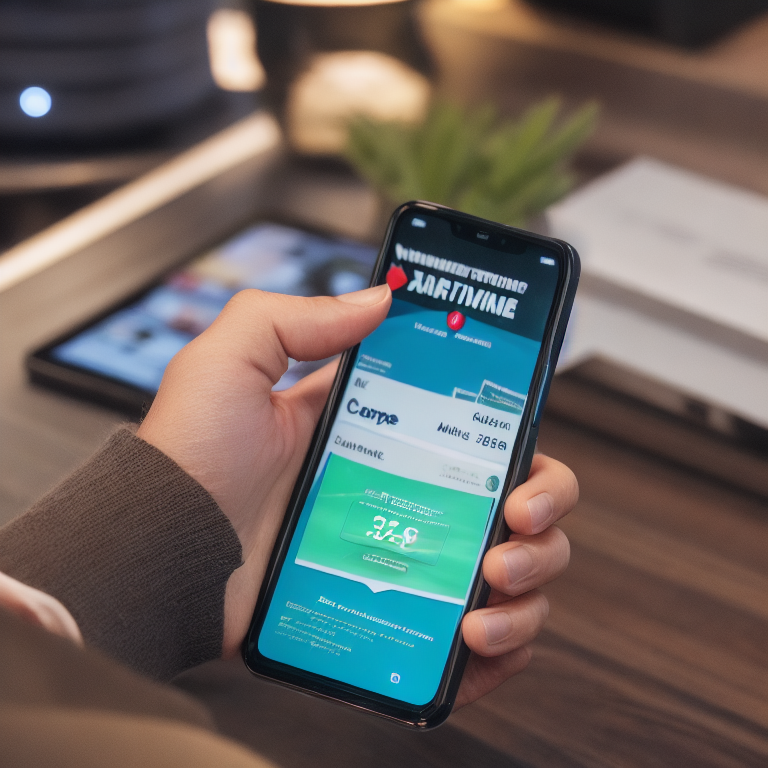
Mobile advertising has changed dramatically in recent years. People spend more time on their phones than ever before, and traditional banner ads just don’t cut it anymore. Native ads have emerged as the solution that feels natural and respects the user experience while still delivering results for advertisers.
Native ads work by matching the look and feel of the content around them. On mobile devices, this means ads that flow seamlessly with the app or website design. They don’t interrupt the user’s flow like pop-ups or banner ads do. Instead, they provide value while feeling like a natural part of the content experience.
The mobile native advertising landscape continues to evolve rapidly. New formats, targeting capabilities, and measurement tools are constantly emerging. Staying current with best practices is essential for anyone looking to succeed with mobile native advertising in 2024.
Understanding Mobile Native Ad Formats
Mobile native ads come in several different formats, each with its own strengths and ideal use cases. Knowing which format to use when can make a huge difference in your campaign performance.
In-feed ads appear within the natural content flow of apps and websites. These look like regular posts or articles but are clearly marked as sponsored. They work particularly well on social media platforms and news apps where users expect to scroll through content.
Content recommendation widgets sit at the bottom or side of articles and suggest related content, including sponsored pieces. These are effective for driving traffic to longer-form content and keeping users engaged with your brand.
Search ads blend into search results pages, matching the format of organic results while being marked as advertisements. These are especially powerful for capturing high-intent users who are actively looking for information or products.
Promoted listings work well for e-commerce and directory-style apps. These showcase specific products or services within browsing interfaces, making them feel like natural search results rather than advertisements.
Creating Mobile-Optimized Native Content
The success of your native ads depends heavily on the quality and relevance of your content. Mobile users have different expectations and behaviors than desktop users, so your content needs to be tailored accordingly.
Keep your messaging concise and scannable. Mobile screens are small, and users are often on the go. Get to the point quickly while still providing value. Use short paragraphs, bullet points, and clear headings to make your content easy to digest.
Visual elements are crucial for mobile native ads. High-quality images or videos that load quickly can significantly improve engagement rates. Make sure your visuals are optimized for mobile viewing and don’t slow down page load times.
Your content should provide genuine value to the reader. Whether it’s educational information, entertainment, or a special offer, make sure there’s a clear benefit to engaging with your ad. Users can quickly spot and ignore content that feels like pure advertising.
Consider the context in which your ad will appear. An ad that works well in a news app might not perform as well in a gaming app. Tailor your content and creative to match the environment and user expectations of each placement.
Targeting Strategies for Mobile Native Ads
Effective targeting is what separates successful native ad campaigns from those that waste budget. Mobile devices provide unique opportunities for precise audience targeting based on behavior, location, and device characteristics.
Demographic targeting allows you to reach users based on age, gender, income level, and other basic characteristics. While useful, this should be combined with more sophisticated targeting methods for best results.
Behavioral targeting looks at past actions and interests to predict future behavior. This might include targeting users who have visited certain types of websites, used specific apps, or shown interest in particular topics.
Location-based targeting can be incredibly powerful for mobile campaigns. You can target users based on their current location, places they’ve visited recently, or areas they frequent. This works especially well for local businesses and location-specific offers.
Device targeting lets you optimize for different phone models, operating systems, and screen sizes. This ensures your ads look great and perform well regardless of what device your audience is using.
Measuring Success with Mobile Native Ads
You can’t improve what you don’t measure. Setting up proper tracking and knowing which metrics matter most will help you optimize your campaigns and prove ROI.
Engagement metrics like click-through rates, time spent on content, and social shares indicate how well your ads resonate with audiences. High engagement suggests your content is relevant and valuable to viewers.
Conversion tracking is essential for understanding the business impact of your campaigns. Whether you’re tracking purchases, sign-ups, or other desired actions, make sure you have proper attribution set up to connect ad interactions to outcomes.
Cost metrics including CPM, CPC, and overall campaign spend help you understand the efficiency of your advertising. Compare these against your conversion data to calculate true ROI and identify areas for improvement.
Brand lift studies can measure how your native ads impact brand awareness and perception over time. These are particularly important for campaigns focused on long-term brand building rather than immediate conversions.
Common Mistakes to Avoid
Even experienced marketers can fall into traps when running mobile native ad campaigns. Being aware of common pitfalls can save you time, money, and frustration.
Overly promotional content is one of the biggest mistakes. Native ads should provide value first and foremost. If your content feels like an obvious sales pitch, users will ignore it or worse, develop negative feelings toward your brand.
Poor mobile optimization can kill even the best campaigns. Make sure your landing pages load quickly, are easy to navigate on small screens, and provide a seamless experience from ad click to conversion.
Inconsistent branding across platforms can confuse users and weaken your message. Maintain consistent visual elements, tone, and messaging across all your native ad placements.
Neglecting to test different approaches is another common error. What works for one audience or platform might not work for another. Always be testing and optimizing based on real data.
Best Practices for 2024
The mobile advertising landscape continues to evolve, and staying ahead requires adopting current best practices while being ready to adapt as new trends emerge.
Focus on first-party data collection and privacy-compliant targeting. With increasing privacy regulations and the depreciation of third-party cookies, building direct relationships with your audience is more important than ever.
Video content continues to dominate mobile consumption. Consider incorporating short, engaging video elements into your native ads where appropriate. Just make sure videos are optimized for mobile viewing and don’t autoplay with sound.
Interactive elements can boost engagement significantly. Consider adding polls, quizzes, or other interactive features to your native ads to encourage active participation rather than passive consumption.
Personalization at scale is becoming more achievable with advances in AI and machine learning. Use these tools to create more relevant, targeted experiences for different audience segments.
Integration with Overall Marketing Strategy
Native ads shouldn’t exist in a silo. They work best when integrated with your broader marketing efforts and support your overall business objectives.
Cross-channel coordination ensures consistent messaging across all touchpoints. Your native ads should complement your social media, email marketing, and other advertising efforts to create a cohesive brand experience.
Content marketing synergy is particularly important for native ads. The content you create for native placements can often be repurposed or adapted for other channels, maximizing your content investment.
Retargeting strategies can help you stay top-of-mind with users who have engaged with your native content. Just be careful not to overdo it and risk annoying potential customers.
Future Trends in Mobile Native Advertising
Looking ahead can help you prepare for changes and stay competitive as the industry evolves. Several trends are likely to shape mobile native advertising in the coming years.
Augmented reality integration is becoming more common in native advertising. This could include virtual try-on experiences for products or interactive 3D elements that blend with surrounding content.
Voice-activated interactions are growing as smart speakers and voice assistants become more prevalent. Consider how your native content might be discovered and consumed through voice interfaces.
AI-powered content creation and optimization will continue to advance, making it easier to create highly personalized native ad experiences at scale.
Blockchain technology may impact how native ads are bought, sold, and verified, potentially increasing transparency and reducing fraud in the ecosystem.
Frequently Asked Questions (FAQ)
What makes native ads different from regular display ads on mobile?
Native ads are designed to match the look and feel of the content around them, while display ads typically stand out as separate elements. Native ads blend in with the user experience rather than interrupting it, which often leads to better engagement and less ad fatigue.
How much do mobile native ads typically cost?
Costs vary widely based on factors like platform, audience targeting, and competition. Most native ad platforms offer CPM (cost per thousand impressions) or CPC (cost per click) pricing models. You can often start with relatively small budgets and scale up based on performance.
Are native ads clearly marked as advertisements?
Yes, regulations and platform policies require native ads to be clearly labeled as sponsored or promotional content. The exact labeling requirements vary by platform and region, but transparency is essential for maintaining user trust.
How do I measure the ROI of mobile native ads?
Track both engagement metrics (clicks, time on site, shares) and conversion metrics (purchases, sign-ups, etc.). Use proper attribution modeling to connect ad interactions to business outcomes. Calculate your return by comparing revenue generated against your total ad spend.
Can small businesses benefit from mobile native advertising?
Absolutely. Native ads can be particularly effective for small businesses because they often provide better engagement than traditional ads and can be more cost-effective. Many platforms offer self-service options that make it easy for small businesses to get started.
What’s the biggest mistake people make with mobile native ads?
The most common mistake is creating content that’s too promotional and doesn’t provide real value to the audience. Successful native ads focus on being helpful, entertaining, or informative first, with the promotional aspect being secondary and subtle.
Conclusion
Mobile native advertising represents a powerful opportunity to reach audiences in a way that feels natural and respectful of their experience. By focusing on quality content, smart targeting, and continuous optimization, you can create campaigns that deliver real results while building positive brand associations.
The key to success in 2024 and beyond is staying current with best practices while maintaining flexibility to adapt as the landscape evolves. Focus on providing genuine value to your audience, respect their time and attention, and always be testing and learning from your results.
Remember that native advertising is just one piece of your overall marketing strategy. When integrated thoughtfully with your other efforts and aligned with your business goals, mobile native ads can become a significant driver of growth and customer engagement.
